


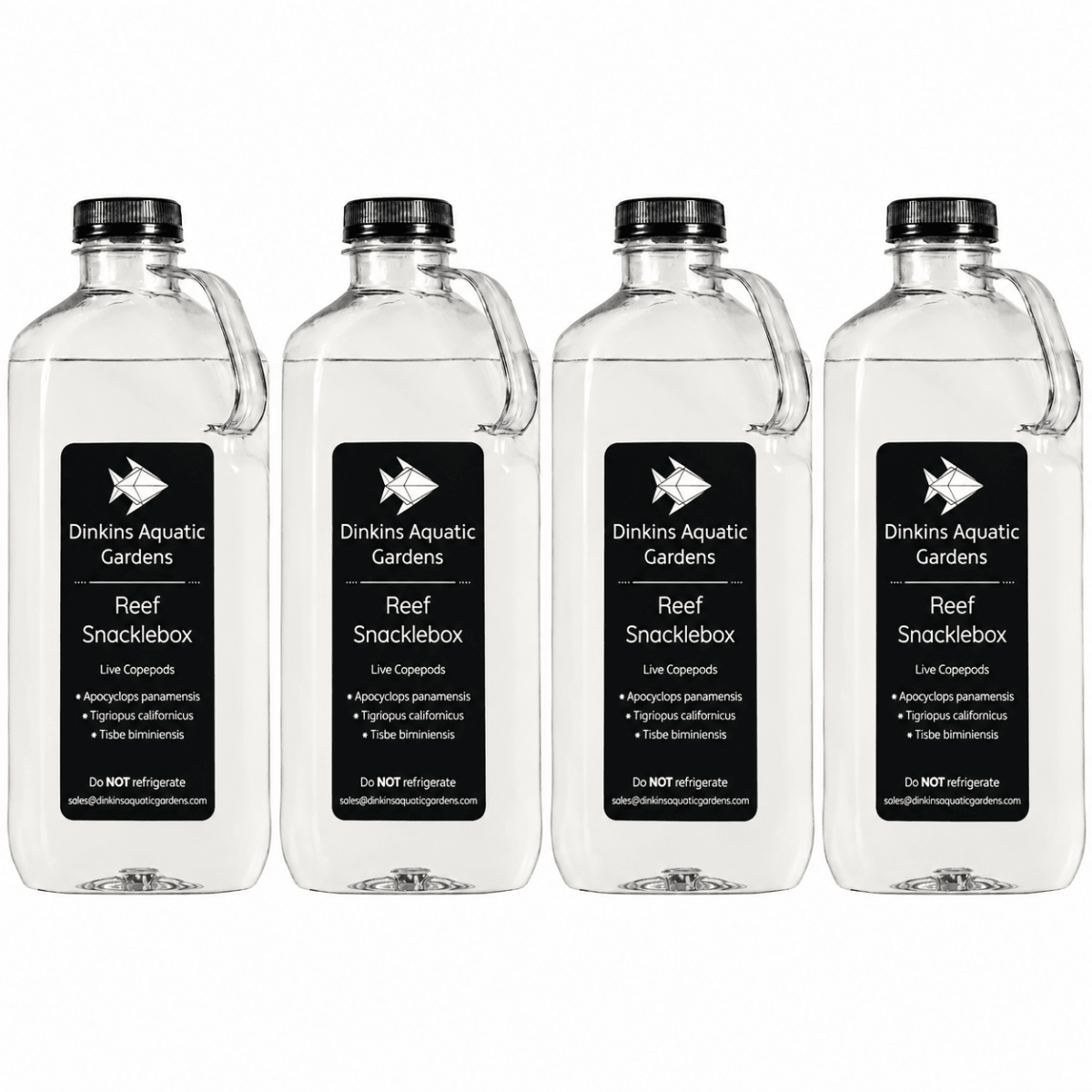
Reef Snacklebox - Three Species Blend of Live Copepods
Reef Snacklebox - Three Species Blend of Live Copepods
Couldn't load pickup availability
Buy With Confidence
Shopping for live goods online can be stressful, but we use best-in-industry shipping practices such as biodegradable styrofoam boxes, checking your weather and including heat/ice packs as needed, and sending all orders with UPS two day shipping. If anything goes wrong, we have your back with our completely hassle-free, no-questions-asked Dinkins Delivery Guarantee.
Don't take our word for it - check out our reviews section to see what other reefers are saying!


Frequently Asked Questions
Can you really ship safely in this summer heat?
Absolutely! We Ship for Survival year-round, using UPS two day shipping, styrofoam boxes, and an iron-clad live delivery guarantee. We also offer the option to pick your own delivery date.
Why should I buy copepods from Dinkins Aquatic Gardens?
There are many excellent suppliers of live copepods on the market. The main thing that sets us apart from the crowd is our focus on quality and customer service.
In terms of quality, we offer some of the densest bottles of live copepods on the market. We also pride ourselves on our award-winning customer service: the Dinkins Difference. Every order of live copepods is fully backed by the Dinkins Delivery Guarantee.
How many live copepods should I buy?
Deciding how many live copepods to buy depends on your tank size and specific needs. Please see our buying guide for specific recommendations.
How should I dose my live copepods?
Add all of your live copepods at once, as they will gradually perish after about a week. It's best to add them at night, when your lights are off and your fish are resting. Turn off all your pumps/powerheads for about an hour, then pour in the entire contents of your bottle(s).
How long will live copepods survive in the bottle?
Copepods are a living cleanup crew and food source, so just as with any other cleanup crew, you'll want to add them all at once. Our bottles don't have enough food or oxygen to keep copepods alive indefinitely.
Copepods generally last 6-7 days in a sealed bottle before they begin to perish. You can open the lid when you receive them and that should give you another day or two of "shelf life."
If you need to keep them alive longer than that, then put them in a bucket with some fresh saltwater, an airline, and some live phytoplankton. They'll survive indefinitely in such a setup (with regular feeding and water changes).
My copepods are all on the bottom of my bottle. Are they alive?
Almost certainly! The Apocyclops, Tisbe, and Tigriopus copepods we sell are benthic, meaning during most of their life they prefer to slowly crawl on the something (in this case, the bottom of your bottle).
Temperature acclimate your bottle of copepods by floating in your tank/sump for about an hour. Then give them a quick shake. Let your bottle set for about one minute.
Then, gently pick up the bottle and shine a light directly upward through the bottom of the bottle, preferably in a dimly-lighted room. You should see a good deal of movement. If some of the copepods aren't moving, then they are likely the planktonic juveniles that don't actively swim.
If you don't see much movement, please contact us so that we can send you a free replacement under our Dinkins Delivery Guarantee!
I am 2 treatments in on a new 50 gallon tank started with dry rock. The pod population is booming. Cant wait to watch the population continue to grow. My carpenter wrasse really enjoys them as snacks throughout the day.
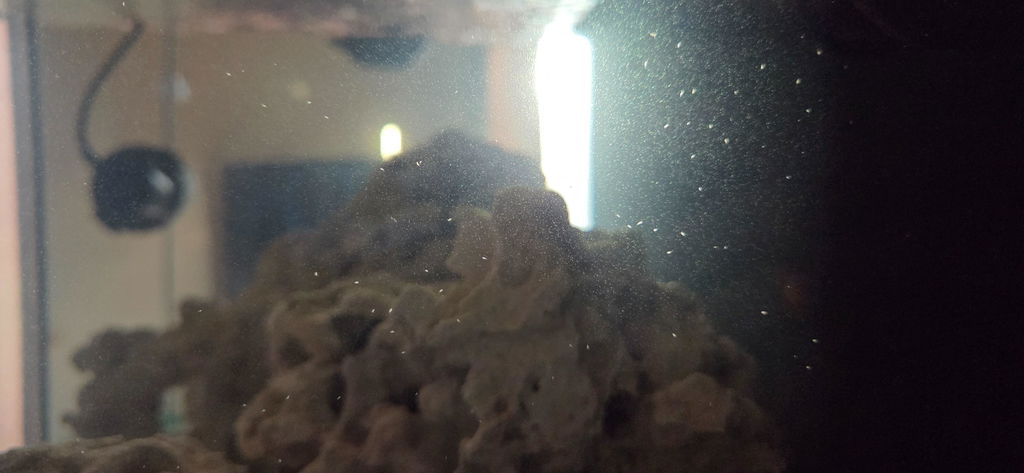
The snackle box is a must have!!
My 200 is crawling with pods!
Order arrived as expected. Bottles were packaged very good and arrived cold. Very nice thank you card and some stickers were also included. Nice personal touch 😉. Bottles were sealed properly with no leakage. Very happy with purchase.
I can’t recommend them enough. I have ordered copepods from various different sellers and had a bad experience every time. I ordered 4 bottles of mixed copepods from Dinkins and they all arrived extremely well. Each bottle was loaded with copepods that were all alive. I even received a hand written letter thanking me for my business. For such a small important part of a reef system, I am finally relieved and trust dinkins for all my future copepods. They even have an automatic subscription so I can receive some each month. Do not hesitate to buy from these guys. I wish they sold coral.
Always tons of pods, love this company!
I've been using DAG since RAP LA 2025. Consistent quality. And their customer service is first class.
I see pods swimming! Arrived quickly in good packaging and survived the trip; i think that’s about all i can ask for!
Always a great experience with this company
A lot of copepods highly recommend it.
Always good
Always perfect!!
Great pods
The copepods arrive alive, active and exactly on the delivery date! The high ratings are very well deserved!! Thank you for being a reliable place to get copepods.
I’ve had nothing but great experiences with this company. They take real care with their deliveries, and their pods are easily some of the best I’ve used. I’ll keep buying from Dinkins for all my pod needs.
Great products-amazing number of copepods. A little disappointed in small the “rubble” was-but maybe I should have researched more and bought the regular rock.
The bottles of copepods were filled. So excited to try to build a Refugium and have my tanks looking awesome
I have seeded the last couple of tanks with pods from dinkins and the quality and packing is unmatched will recommend!
Excellent Product and Customer Service!
You’re not thinking if you’re not using Dinkins!!
Great customer service and will absolutely purchase again
Always well packed. Always tons of copepods! My Mandarins are happy because of Dinkins!
Outstanding packaging, outstanding ok product. Thank you so much. Fast and great
Always amazing products
Great quality and prices. Customer service is top notch Will order again soon before the weather gets too cold
Exactly as expected, lots of live, healthy pods!
They were great
I love my Snacklebox!
Great company! Great amount of pods!
Thank you, arrived in excellent condition with active pods swimming around
My go to for copepods until the end of time!!
They were terrific! Nice, viable pods!! Really appreciated the handwritten Thank you note and all the goodies!
So far so good!!!
Fish love this
Awesome I have received several orders and my fish love them