
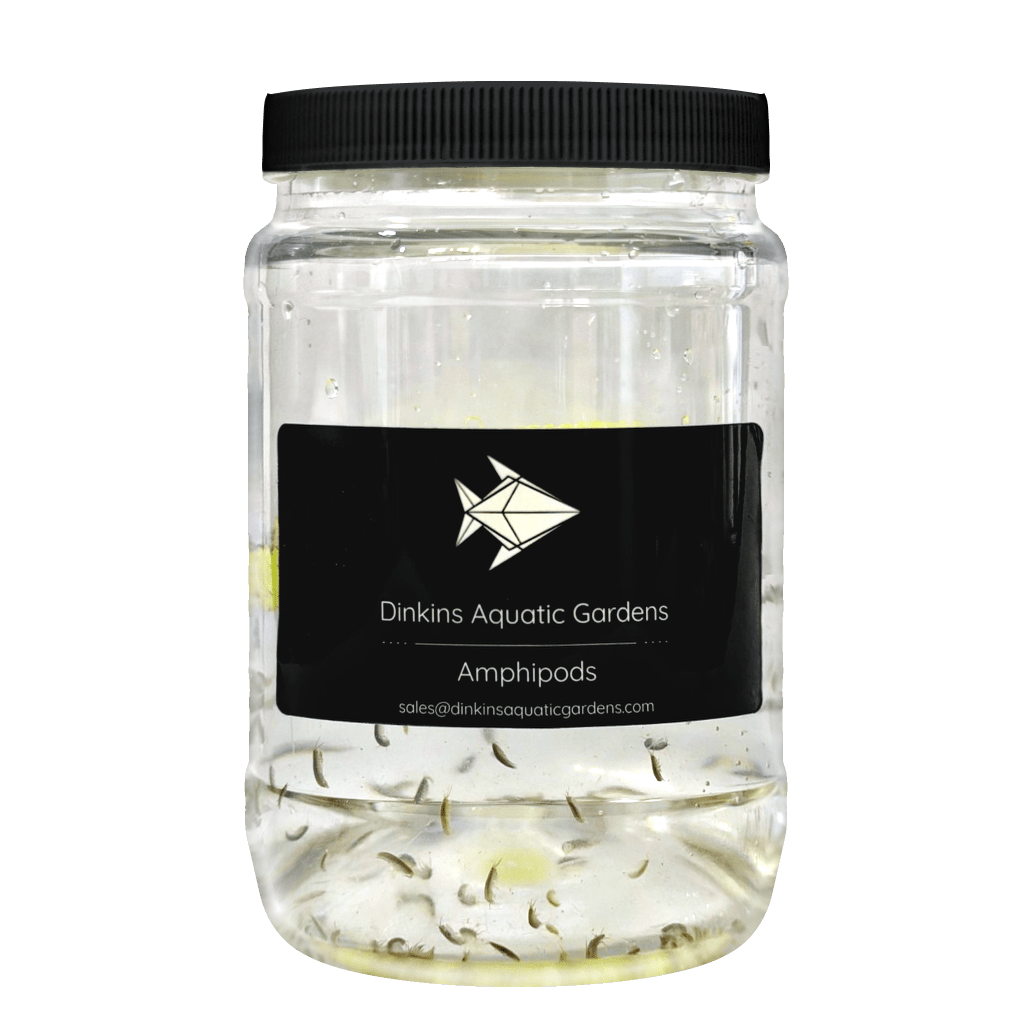
Each jar ships a third to half full of water.
- Important Note
- Each jar ships roughly 1/3 full of water. Amphipods eat berghia nudibranch eggs. If you are treating aiptasia with berghia, do not add amphipods.
- Best for
- FOWLR and predator tanks, and mixed reefs. Not the best fit for ultra low nutrient tanks such as SPS tanks.
- Ships
- By 2-day UPS in a biodegradable styrofoam box, with heat or ice packs depending on your weather.
- Pairs with
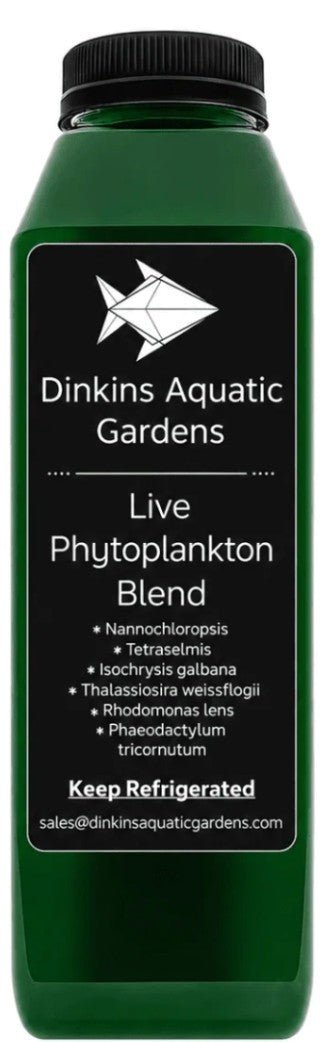
- Live Phytoplankton, which amphipods filter from the water.
Larger than copepods, amphipods are voracious detritivores - eating fish waste, leftover food, and some forms of nuisance algae. Amphipods can easily fit in the crevices of your rock, behind your corals, and in every nook and cranny where larger cleanup crew cannot. Amphipods are strongly benthic, meaning they spend all their time crawling on your sand and rocks, eating the stuff you don't want to be there.
Full description
When it comes to picky fish and seahorses - amphipods are a favorite! Amphipods are large enough to easily see and hunt, and amphipods are highly nutritious. Finally, amphipods are a great boost to biodiversity. It's always a good idea to put as many species of helpful creatures in your tank as possible in order to consume resources that could otherwise be used by harmful pests. Amphipods fill this role beautifully, especially when combined with our other products.
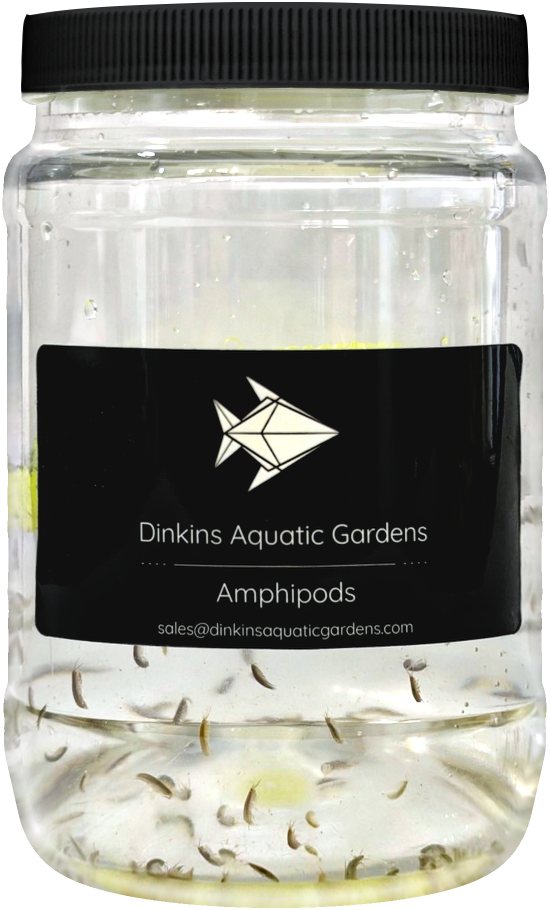
Each order of amphipods contains roughly 75 amphipods. Each jar will contain one or more reef-safe nylon sponges for the amphipods to burrow into. The jar is about 1/3 - 1/2 full of water as amphipods require a lot of oxygen.
Note on Shipping/Acclimation
Amphipods are shipped in jars containing a reef-safe nylon sponge. Amphipods are strongly "benthic," meaning they prefer a surface to cling to and they tend to burrow deep inside the sponge during shipping.
We suggest adding all the water in the jar, and placing the sponge in the sump or tank for a couple days. After a couple days, the amphipods will have migrated out of the sponge in search of food, and it can be removed if you'd like.
Please note that we intentionally fill the amphipod jars only about 1/3 of the way full with water. If part or all of the sponge is out of the water, it's perfectly fine.
Live Marine Amphipods
Larger than copepods and voracious. They eat fish waste, leftover food and some nuisance algae. Picky fish and seahorses love to hunt them.
- You choose the delivery date in your cart. Orders ship Monday through Wednesday.
- Live arrival guaranteed; email us if they don't survive shipping and we'll replace them for free.
- Local pickup is available by appointment.
What they do in your tank
Eat waste and algae
Fish waste, leftover food and some forms of nuisance algae. They eat a great deal more of it than copepods do.
Reach every crevice
They fit into the crevices of your rock and behind your corals, places your snails, urchins and crabs can't reach.
Feed picky fish
They are large enough to see and hunt, and highly nutritious. Picky fish and seahorses love them.
Add biodiversity
More helpful species in your tank use up resources that pests could otherwise take.
They need a tank with plenty to eat.
Amphipods are absolutely ravenous and eat any detritus they can find. Where there is plenty of it they do great. In a very clean tank they can run short of food.
A good fit
High-nutrient tanks
- FOWLR tanks
- Predator tanks
- Mixed reefs, where they add biodiversity and another food source
Probably not
Low-nutrient tanks
- SPS and other low-nutrient reefs
- Short of food, amphipods can start eating copepods
- In extreme cases they can nip at corals
Adding them to your tank
-
Float the jar in your sump for about an hour to bring it to tank temperature.
-
Add all the water in the jar, then place the sponge in the refugium area of your sump or in your tank.
-
Leave the sponge for a couple of days. Once the amphipods have moved out in search of food, you can remove it.
They may sit still at first
Cold amphipods cluster in the sponge or on the bottom of the jar. After the hour of floating, a tiny bit of fish food should perk them up. If they are orange, or the water is cloudy or smells bad, discard the jar and email us for a replacement.
Feed the colony
Like copepods, amphipods are filter feeders that eat live phytoplankton from the water.
Reef Snacklebasket
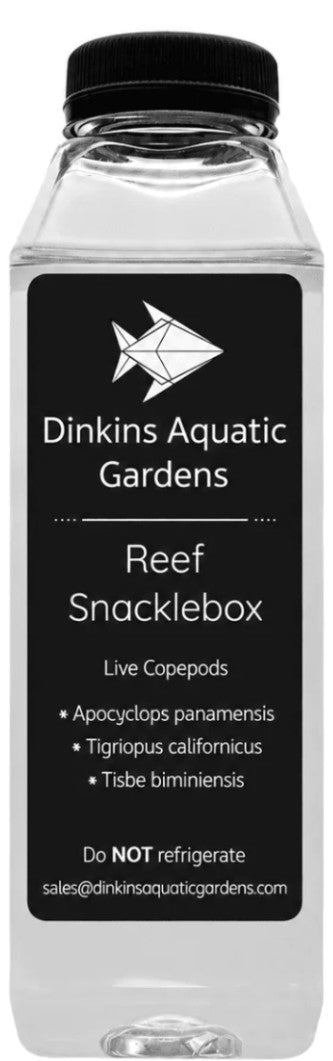
Mix amphipods with copepods, phytoplankton, Clean Chaeto or Snacklerock. Every item after the first takes another 5% off, up to 20% at five.
Build a SnacklebasketAlive on arrival, or we replace it free.
If anything arrives in less than optimal condition, send us an email. No photos, no forms, no hoops. The replacement product, box and shipping are on us.
Read the Dinkins Delivery Guarantee20 reviews of our amphipods
Read all 20 reviews“100% alive and active upon arrival.”
“Big and healthy amphipods!”
Amphipod questions
See every FAQWhat are amphipods?
Amphipods are small, shrimp-like crustaceans, larger than copepods and big enough to see easily. They live in reef tanks and saltwater aquariums, where they crawl over the rock and sand and squeeze into crevices the rest of your cleanup crew can't reach. There they eat fish waste, leftover food and some forms of nuisance algae, and fish and seahorses love to eat them.
They mostly stay hidden while the lights are on, so look for them with a flashlight after lights out. Some tanks get amphipods as hitchhikers. If yours hasn't, you can add them yourself.
Read more: What Do Amphipods Eat? (And Are They Good for a Reef Tank?)
How many amphipods should I buy?
We recommend one jar of amphipods (roughly 75 amphipods) for every 50 gallons of tank volume.
How are amphipods and copepods different?
Amphipods and copepods fill many of the same roles in your tank, both as detritivores and sources of nutrition for your fish and corals.
Amphipods are much larger and therefore eat a great deal more algae and detritus than copepods. This makes them ideal for "dirtier" tanks like FOWLR and predator tanks. Because of their larger size, larger fish such as large marine angelfish will readily eat them but ignore your copepods.
Do amphipods eat copepods or coral?
If food is scarce, they can. Normally this isn't a problem; your reef tank can easily hold a colony of live amphipods and a colony of copepods. The main issue is with ultra-low nutrient tanks. If there isn't enough detritus, amphipods have been known to nip at corals.
Important note: amphipods definitely eat berghia nudibranch eggs. If you have an aiptasia problem that you're treating with berghia, you don't want to add amphipods.
How do I add live amphipods to my reef tank?
Amphipods are strongly benthic, meaning they like to crawl on surfaces. They endure much less stress when we ship them on reef-safe nylon sponges. Simply remove the sponge from your jar and place it in your refugium or display tank. After a day or two they will migrate off the sponge and it can be removed.
Can you really ship safely all year round?
Absolutely! We Ship for Survival year-round, using UPS two day shipping, biodegradable styrofoam boxes, and our Dinkins Delivery Guarantee. We also offer the option to pick your own delivery date at checkout.
Why should I buy amphipods from Dinkins Aquatic Gardens?
Live amphipods are notoriously difficult to ship, so here is exactly what you get from us:
- Roughly 75 amphipods in every jar. They travel on a reef-safe nylon sponge, in a jar we fill only about a third full of water, because amphipods need a lot of oxygen.
- A plain fit check. They do best in FOWLR, predator and mixed reef tanks. We don't recommend them for SPS and other low-nutrient tanks, or where berghia nudibranchs are treating aiptasia, because amphipods eat berghia eggs.
- Harvested fresh the morning it ships. Your order travels by two-day UPS in a biodegradable styrofoam box, with heat or ice packs chosen for your weather. You pick the delivery date, and orders arrive on that date 95% of the time.
- A no-hassle guarantee. If anything arrives in less than optimal condition, email us. No photos, no forms, and the replacement product, box and shipping are on us. That's our Dinkins Delivery Guarantee.
- Cultured by us, start to finish. Everything we sell is grown in our own dedicated facility in Dallas, Texas, with no reef tanks, fish or other sources of contamination. We're an independent, family-owned business.
We also won Best Live Food Provider in Reef2Reef's Best of the Best awards for 2025. The rest of what sets us apart is on our Dinkins Difference page.