
 Create Your Mix-and-Match Bundle & Save Up to 20%
Create Your Mix-and-Match Bundle & Save Up to 20%
Create Your Mix-and-Match Bundle & Save Up to 20%
Create Your Mix-and-Match Bundle & Save Up to 20%
Create Your Mix-and-Match Bundle & Save Up to 20%
Create Your Mix-and-Match Bundle & Save Up to 20%
Create Your Mix-and-Match Bundle & Save Up to 20%
Create Your Mix-and-Match Bundle & Save Up to 20%
Create Your Mix-and-Match Bundle & Save Up to 20%
Create Your Mix-and-Match Bundle & Save Up to 20%
Create Your Mix-and-Match Bundle & Save Up to 20%
Create Your Mix-and-Match Bundle & Save Up to 20%
Create Your Mix-and-Match Bundle & Save Up to 20%
Create Your Mix-and-Match Bundle & Save Up to 20%
Create Your Mix-and-Match Bundle & Save Up to 20%
Create Your Mix-and-Match Bundle & Save Up to 20%
Create Your Mix-and-Match Bundle & Save Up to 20%

Live Marine Amphipods
Live Marine Amphipods
Couldn't load pickup availability
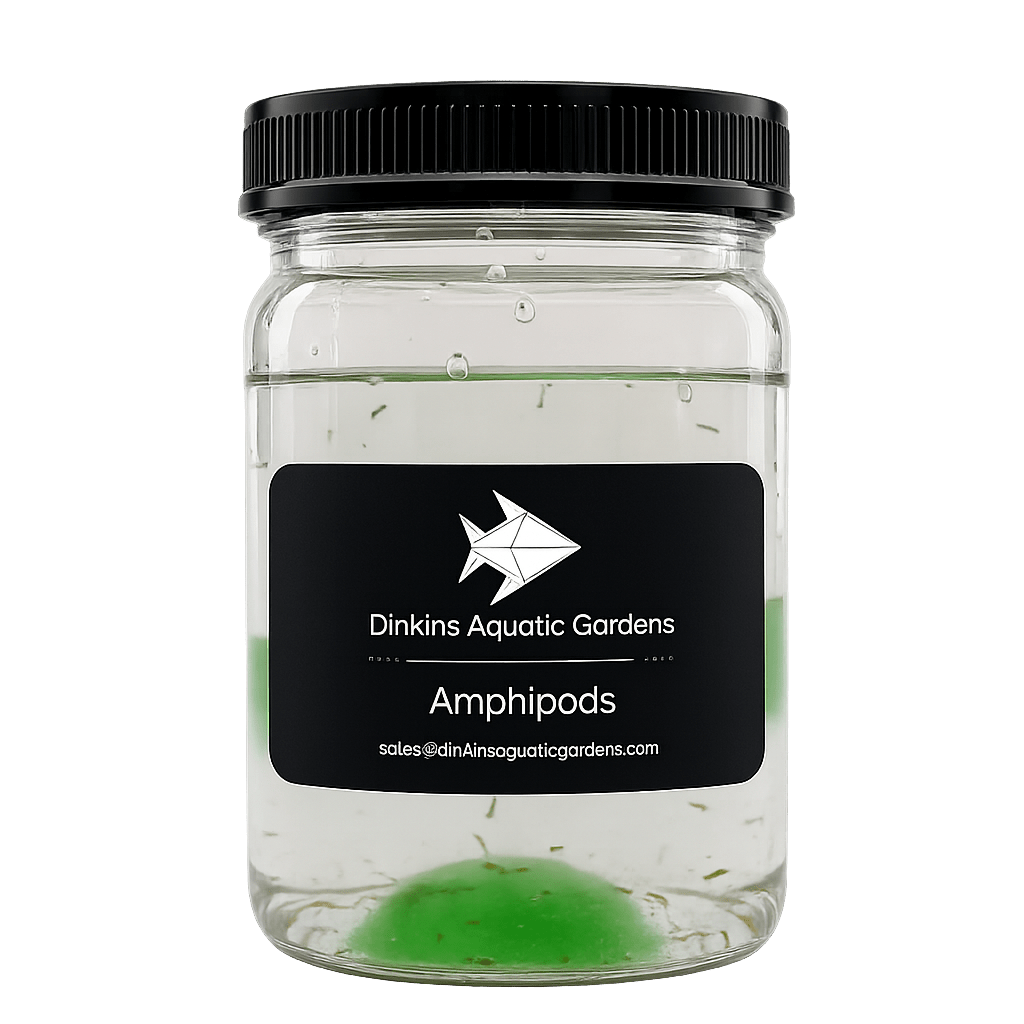
Each order of amphipods contains roughly 75 amphipods. We no longer use the filter floss pictured in our image - each jar will contain one or more reef-safe nylon sponges.
Larger than copepods, amphipods are voracious detritovores - eating fish waste, leftover food, and some forms of nuisance algae. Due to their smaller size, they can easily get into hard-to-reach areas that your snails, urchins, and crabs can't reach. Amphipods can easily fit in the crevices of your rock, behind your corals, and in every nook and cranny. In fact, amphipods are benthic - meaning they live almost exclusively on surfaces. They spend nearly 24 hours a day crawling on your sand and rocks, eating all the stuff you don't want to be there.
When it comes to picky fish and seahorses - amphipods are a favorite! Amphipods are large enough to easily see and hunt, and amphipods are highly nutritious. Finally, amphipods are a great boost to biodiversity. It's always a good idea to put as many species of helpful creatures in your tank as possible in order to consume resources that could otherwise be used by harmful pests. Amphipods fill this role beautifully, especially when combined with our other products.
Note on Shipping/Acclimation
Amphipods are shipped in jars containing a reef-safe nylon sponge. Amphipods are strongly "benthic," meaning they prefer a surface to cling to and they tend to burrow deep inside the sponge during shipping.
We suggest adding all the water in the jar, and placing the sponge in the sump or tank for a couple days. After a couple days, the amphipods will have migrated out of the sponge in search of food, and it can be removed if you'd like.
Please note that we intentionally fill the amphipod jars only about 1/3 of the way full with water. If part or all of the sponge is out of the water, it's perfectly fine.
Buy With Confidence
Shopping for live goods online can be stressful, but we have use best-in-industry shipping practices such as biodegradable styrofoam boxes, checking your weather and including heat/ice packs as needed, and sending all orders with UPS two day shipping. If anything goes wrong, we have your back with our completely hassle-free, no-questions-asked Dinkins Delivery Guarantee.
Don't take our word for it - check out our reviews section to see what other reefers are saying!
Frequently Asked Questions
Can you guys really ship safely in the hot summer?
Absolutely! We Ship for Survival year-round, using UPS two day shipping, styrofoam boxes, and an iron-clad live delivery guarantee. We also offer the option to pick your own delivery date, so you know that you'll be home when your shipment arrives.
Why should I buy amphipods from Dinkins Aquatic Gardens?
Live amphipods are notoriously difficult to ship. At Dinkins Aquatic Gardens, we specialize in carefully packing these creatures so they survive transit.
We also pride ourselves on our award-winning customer service: the Dinkins Difference. Every order of live amphipods is fully backed by our Dinkins Delivery Guarantee.
How are amphipods and copepods different?
Amphipods and copepods fill many of the same roles in your tank, both as detritovores and sources of nutrition for your fish and corals.
Amphipods are much larger and therefore eat a great deal more algae and detritus than copepods. This makes them ideal for "dirtier" tanks like FOWLR and predator tanks. Because of their larger size, larger fish such as large marine angelfish will readily eat them but ignore your copepods.
How do I add live amphipods to my reef tank?
Amphipods are strongly benthic, meaning they like to crawl on surfaces. They endure much less stress when we ship them on reef-safe nylon sponges. Simply remove the scrubby from your jar and place it in your refugium or display tank. After a day or two they will migrate off the sponge and it can be removed.
Do amphipods eat copepods or coral?
If food is scarce, they can. Normally this isn't a problem; your reef tank can easily hold a colony of live amphipods and a colony of copepods. The main issue is with ultra-low nutrient tanks. If there isn't enough detritus, amphipods have been known to nip at corals.
Important note: amphipods definitely eat berghia nudibranch eggs. If you have an aiptasia problem that you're treating with berghia, you don't want to add amphipods.