


Live Tisbe Copepods (Single Species)
Live Tisbe Copepods (Single Species)
Couldn't load pickup availability
Live copepods are a fantastic way of adding biodiversity to your reef aquarium. They serve as members of your cleanup crew, eating detritus and improving water quality. In addition, their small size makes them excellent at getting into the tiniest crevices in your live rock and eating waste inaccessible to snails or crabs.
Pods are also the only food some picky fish will eat; examples include mandarins, pipefish, and some wrasses. These fish generally won't eat anything but live food, and copepods are their preferred menu item! Your corals also love to eat copepods, which helps them gain the nutrients they need to grow and maintain optimum health.
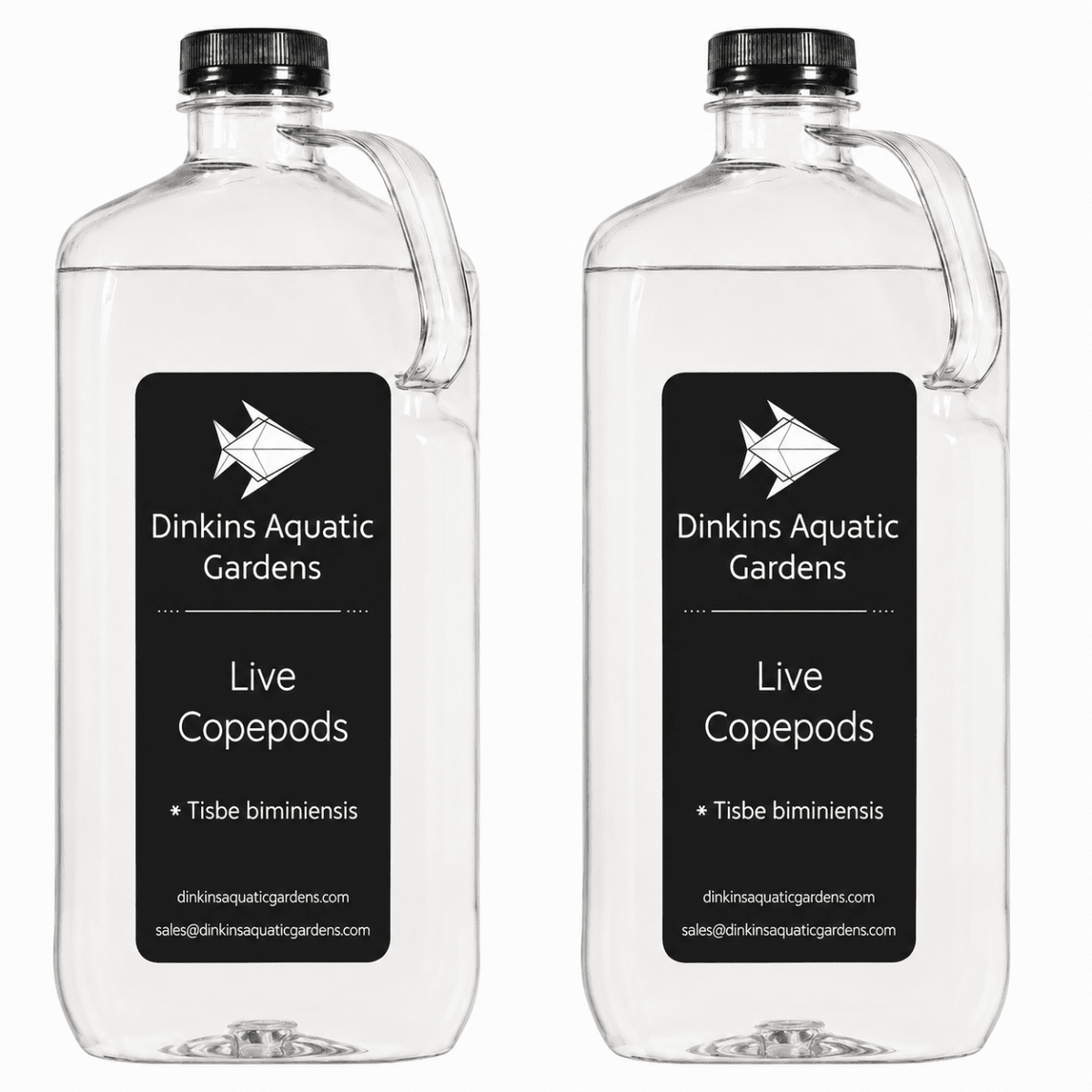
Tisbe copepods are the smallest of the three types of copepods we stock. Tisbe pods are nocturnal, which helps protect them from predation (allowing them to build a robust, self-sustaining colony in your tank). Adults of this species prefer to live in your live rock and on your glass, eating detritus all night. Mandarins, in particular, love to eat Tisbe pods. Live copepods are a great natural reef aquarium food for your fish and corals.
Buy With Confidence
Shopping for live goods online can be stressful, but we use best-in-industry shipping practices such as biodegradable styrofoam boxes, checking your weather and including heat/ice packs as needed, and sending all orders with UPS two day shipping. If anything goes wrong, we have your back with our completely hassle-free, no-questions-asked Dinkins Delivery Guarantee.
Don't take our word for it - check out our reviews section to see what other reefers are saying!


Frequently Asked Questions
Can you really ship safely in this summer heat?
Absolutely! We Ship for Survival year-round, using UPS two day shipping, styrofoam boxes, and an iron-clad live delivery guarantee. We also offer the option to pick your own delivery date.
Why should I buy copepods from Dinkins Aquatic Gardens?
There are many excellent suppliers of live copepods on the market. The main thing that sets us apart from the crowd is our focus on quality and customer service.
In terms of quality, we offer some of the densest bottles of live copepods on the market. We also pride ourselves on our award-winning customer service: the Dinkins Difference. Every order of live copepods is fully backed by the Dinkins Delivery Guarantee.
How many live copepods should I buy?
Deciding how many live copepods to buy depends on your tank size and specific needs. Please see our buying guide for specific recommendations.
How should I dose my live copepods?
Add all of your live copepods at once, as they will gradually perish after about a week. It's best to add them at night, when your lights are off and your fish are resting. Turn off all your pumps/powerheads for about an hour, then pour in the entire contents of your bottle(s).
How long will live copepods survive in the bottle?
Copepods are a living cleanup crew and food source, so just as with any other cleanup crew, you'll want to add them all at once. Our bottles don't have enough food or oxygen to keep copepods alive indefinitely.
Copepods generally last 6-7 days in a sealed bottle before they begin to perish. You can open the lid when you receive them and that should give you another day or two of "shelf life."
If you need to keep them alive longer than that, then put them in a bucket with some fresh saltwater, an airline, and some live phytoplankton. They'll survive indefinitely in such a setup (with regular feeding and water changes).
My copepods are all on the bottom of my bottle. Are they alive?
Almost certainly! The Apocyclops, Tisbe, and Tigriopus copepods we sell are benthic, meaning during most of their life they prefer to slowly crawl on the something (in this case, the bottom of your bottle).
Temperature acclimate your bottle of copepods by floating in your tank/sump for about an hour. Then give them a quick shake. Let your bottle set for about one minute.
Then, gently pick up the bottle and shine a light directly upward through the bottom of the bottle, preferably in a dimly-lighted room. You should see a good deal of movement. If some of the copepods aren't moving, then they are likely the planktonic juveniles that don't actively swim.
If you don't see much movement, please contact us so that we can send you a free replacement under our Dinkins Delivery Guarantee!